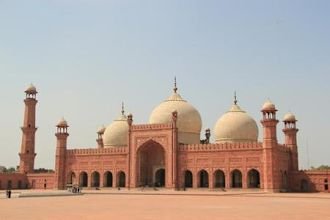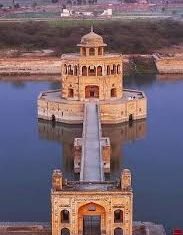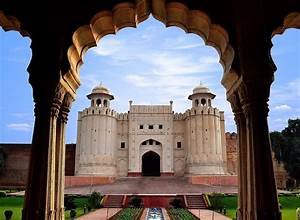
Lahore Fort, also known as Shahi Qila, is one of the most important historical landmarks in Pakistan. Located in the heart of Lahore, near the Badshahi Mosque, this magnificent fort has witnessed the rise and fall of empires over more than a thousand years.
While the exact origins of the fort are unclear, historical records suggest that a mud-brick fort existed on this site as early as the 11th century, during the rule of Mahmud of Ghazni. Over time, it was destroyed and rebuilt multiple times by different rulers.
The Mughal Era – Golden Age of the Fort
The Lahore Fort as we know it today was largely rebuilt and expanded during the Mughal era:
• Emperor Akbar (1556–1605): He laid the foundation of the modern fort in 1566 using red sandstone and made it the center of administration and power.
• Emperor Jahangir: Added gardens and beautifully decorated halls.
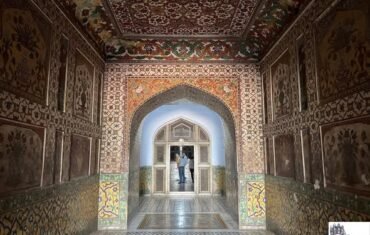
• Emperor Shah Jahan (the builder of the Taj Mahal): Added the Sheesh Mahal (Palace of Mirrors), Naulakha Pavilion, and other stunning marble structures.
• Emperor Aurangzeb: Built the famous Alamgiri Gate, the fort’s grand entrance, which faces the Badshahi Mosque.
Under the Mughals, the fort became a symbol of power, luxury, and architectural excellence.
In Post-Mughal Period After the fall of the Mughal Empire, the fort was captured by:
• Sikh Empire (1799–1849) under Maharaja Ranjit Singh, who used it as his royal residence.
• Later, it was taken over by the British after they annexed Punjab in 1849. The British altered parts of the fort for military use.
In 1981, Lahore Fort was declared a UNESCO World Heritage Site, recognized for its exceptional Mughal architecture and rich historical significance.
Lahore Fort is not just a monument — it’s a symbol of Pakistan’s cultural identity, Islamic heritage, and historical resilience. It draws thousands of tourists every year, supports local artisans, and plays a vital role in promoting heritage tourism and economic activity in Lahore.
Please feel free to email us
Sakura Travel – Pakistan
sakuratr2004@gmail.com
WhatsApp: 0332 8501039