デラワール砦:チョリスタン砂漠の威厳ある守護者
Derawar Fort: The Majestic Guardian of the Cholistan Desert
デラワール砦:チョリスタン砂漠の威厳ある守護者
詳細は下記英語の後に日本語でご覧ください。
Derawar Fort, standing proudly in the heart of Pakistan’s Cholistan Desert, is one of the most iconic and historically significant forts in South Asia. Its massive walls, visible from miles away, rise dramatically from the barren sands, evoking images of ancient grandeur and desert resilience. More than just a fortress, Derawar is a symbol of architectural brilliance, cultural heritage, and the enduring spirit of the region’s past rulers.
Derawar Fort was originally built in the 9th century by Rai Jajja Bhatti, a Hindu Rajput ruler of the Bhatti clan. Initially named Dera Rawal, the fort later came under the control of the Abbasi family of Bahawalpur in the 18th century, who rebuilt and strengthened it into the formidable structure that stands today. The Abbasi Nawabs used Derawar as a military stronghold and a royal residence, marking it as a center of power and administration in the Cholistan region.
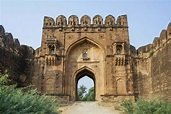
The architecture of Derawar Fort is both awe-inspiring and imposing. The fort’s square structure consists of forty massive bastions, each rising to an impressive height of about 30 meters (100 feet). These bastions are symmetrically spaced along its 1.5-kilometer-long walls, giving the fort a majestic and commanding appearance. Constructed mainly from clay bricks, the fort’s design reflects a blend of Rajput and Islamic architectural styles, showcasing the cultural fusion of its time.
The fort’s intricate design once included royal chambers, barracks, storerooms, and a mosque made of white marble — a gift from the Nawab of Bahawalpur. Though much of the interior now lies in ruins due to centuries of neglect and the harsh desert climate, traces of its former glory remain visible to this day.
Derawar Fort served not only as a defensive fortress but also as a strategic outpost for trade caravans traveling across the desert. It was the seat of the Nawabs of Bahawalpur, who used it to assert control over the surrounding lands and protect their people from invasions. The fort’s location was ideal for monitoring the vast stretches of the Cholistan Desert and ensuring security along ancient trade routes.
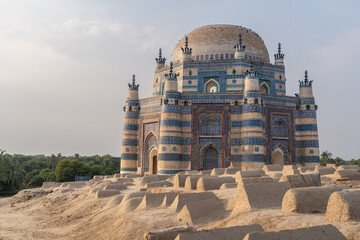
The fort also held cultural and religious importance. The royal families of Bahawalpur are buried in an elegant necropolis near the fort, where beautifully carved tombs stand as a testament to the region’s rich heritage. Annual cultural festivals and desert rallies near Derawar celebrate the historical and traditional significance of the area, attracting visitors from across Pakistan and beyond.
Today, Derawar Fort stands as both a majestic relic and a reminder of Pakistan’s neglected heritage. While it continues to draw tourists, historians, and photographers, the structure is deteriorating due to erosion, weathering, and lack of consistent maintenance. Conservationists and the Department of Archaeology have made periodic attempts to preserve it, but more comprehensive restoration work is urgently needed to protect this architectural treasure for future generations.
Derawar Fort is more than a silent monument in the desert; it is a chronicle of centuries of history, power, and cultural exchange. Its towering bastions whisper tales of ancient rulers, fierce battles, and the enduring strength of human craftsmanship. As one of Pakistan’s most remarkable historical sites, Derawar stands as a symbol of pride for the nation and a call for the preservation of its rich cultural heritage.
For tour arrangements in Pakistan, please feel free to contact us my telephone, WhatsApp or email us at Sakura Travel.
sakuratr2004@gmail.com
WhatsApp: 0092 332 8501039
パキスタンのチョリスタン砂漠の中心に堂々とそびえるデラワル砦は、南アジアで最も象徴的で歴史的に重要な砦の一つです。何マイルも離れた場所からでも見える巨大な壁は、不毛の砂漠から劇的にそびえ立ち、古代の壮大さと砂漠の強靭さを彷彿とさせます。デラワル砦は単なる要塞にとどまらず、建築の輝き、文化遺産、そしてこの地域を支配した歴代の王たちの揺るぎない精神の象徴でもあります。
デラワル砦は、9世紀にヒンドゥー教のラージプート族のバティ一族の支配者、ライ・ジャッジャ・バティによって築かれました。当初はデラ・ラーワルと名付けられましたが、18世紀にバハワルプルのアッバシ家の支配下に入り、再建と強化が行われ、今日のような壮麗な建造物となりました。アッバース朝のナワーブたちはデラワールを軍事拠点および王室の住居として利用し、チョリスタン地域の権力と行政の中心地とした。
デラワール砦の建築は、畏敬の念を抱かせると同時に威厳に満ちています。砦の四角い構造は40の巨大な堡塁で構成され、それぞれ約30メートル(100フィート)の高さを誇ります。これらの堡塁は1.5キロメートルに及ぶ城壁に沿って対称的に配置され、砦に荘厳で威厳のある外観を与えています。主に粘土レンガで造られた砦のデザインは、ラージプート様式とイスラム様式の融合を反映しており、当時の文化の融合を如実に示しています。
砦の精巧な設計には、かつて王室の寝室、兵舎、倉庫、そしてバハワルプルのナワーブから贈られた白い大理石で造られたモスクが含まれていました。何世紀にもわたる放置と厳しい砂漠気候により、内部の大部分は現在では廃墟となっていますが、かつての栄光の痕跡は今もなお見ることができます。
デラワール砦は防衛拠点としてだけでなく、砂漠を横断する交易隊商の戦略的な拠点でもありました。バハワルプルのナワーブたちの本拠地であり、彼らはこの砦を周辺の土地の支配権を確立し、人々を侵略から守るために利用しました。この砦の位置は、チョリスタン砂漠の広大な範囲を監視し、古代の交易路の安全を確保するのに理想的な場所でした。
この砦は文化的にも宗教的にも重要な意味を持っていました。バハワルプルの王族は砦近くの優美な墓地に埋葬されており、そこには美しく彫刻された墓が立ち並び、この地域の豊かな遺産を物語っています。デラワル近郊では毎年、この地域の歴史的・伝統的な重要性を祝う文化祭や砂漠の集会が開催され、パキスタン国内外から多くの観光客が訪れます。
今日、デラワル砦は壮大な遺跡であると同時に、パキスタンの忘れ去られた遺産を思い起こさせる存在でもあります。観光客、歴史家、写真家を惹きつけ続けていますが、浸食、風化、そして定期的なメンテナンスの欠如により、構造は劣化しています。保護活動家と考古学局は定期的に保存に取り組んできましたが、この建築遺産を未来の世代に伝えるためには、より包括的な修復工事が緊急に必要とされています。
デラワル砦は砂漠に佇む静かなモニュメント以上の存在です。それは何世紀にもわたる歴史、権力、そして文化交流の記録なのです。そびえ立つ要塞は、古代の支配者、激戦、そして人類の技の不屈の力の物語を語り継いでいます。パキスタンで最も注目すべき史跡の一つであるデラワールは、国家の誇りと豊かな文化遺産の保存への呼びかけの象徴となっています。
パキスタンでのツアー手配については、お電話、WhatsApp、またはSakura Travelまでメールでお気軽にお問い合わせください。
sakuratr2004@gmail.com
WhatsApp: 0092 332 8501039