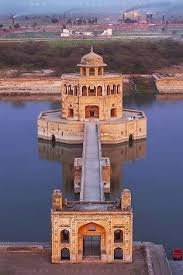
Hiran Minar, located in Sheikhupura, Pakistan, is one of the most fascinating examples of Mughal-era architecture. Built during the reign of Emperor Jahangir in the early 17th century, this monument stands as a remarkable blend of artistic beauty, royal devotion, and architectural innovation. The name “Hiran Minar” literally means “The Deer Tower”, and the site carries a unique historical story that sets it apart from other Mughal monuments.
The Hiran Minar complex was constructed in memory of Emperor Jahangir’s beloved pet deer, Mansraj. Jahangir, known for his deep appreciation of nature and animals, ordered the building of the minaret after the deer’s death as a symbol of affection and remembrance. The project began around 1606 and reflects the emperor’s love for wildlife, which was a significant aspect of Mughal culture. Unlike other Mughal monuments built to honor people, Hiran Minar stands out as a memorial dedicated to an animal, showing Jahangir’s unique sensitivity and vision.
Hiran Minar is a masterpiece of Mughal architecture. The main structure consists of a tall minaret, approximately 30 meters (100 feet) high, standing in the middle of a vast rectangular water tank. The tank, which measures about 229 by 273 meters, has pavilions at each corner connected by stone bridges. In the center of the tank stands a beautiful octagonal pavilion, which was used for royal leisure and hunting excursions.
The tower itself is built from bricks and decorated with intricate stonework. Around its base are small niches that were once believed to hold the heads of hunted animals, symbolizing the Mughal tradition of hunting and collecting trophies. However, the overall atmosphere of the site feels peaceful and reflective rather than violent, which mirrors Jahangir’s love for nature.
Hiran Minar is more than just a monument—it represents the Mughal fascination with the harmony between man and nature. The surrounding area was once a royal hunting ground, but it was also a sanctuary for wildlife. The water reservoir around the tower not only added to the site’s beauty but also served as a functional water source for animals and irrigation.
The complex demonstrates how Mughal architecture combined aesthetic elegance with environmental awareness. The layout, with its symmetrical design and balanced proportions, reflects the Mughal ideal of order and harmony in both art and nature.
Today, Hiran Minar is a popular tourist attraction, drawing visitors from across Pakistan and beyond. Its serene environment, historical importance, and architectural splendor make it a perfect example of Mughal engineering and artistry. The Government of Pakistan and heritage organizations have made efforts to preserve the monument, recognizing its cultural and historical value. However, like many heritage sites, it faces challenges such as environmental degradation and lack of maintenance, which must be addressed to ensure its survival for future generations.
Hiran Minar stands as a timeless tribute to Emperor Jahangir’s love for nature and his refined sense of beauty. It is not only a symbol of Mughal architectural excellence but also a monument of affection, memory, and harmony between man and the natural world. Visiting Hiran Minar today offers a glimpse into a past where art, nature, and emotion intertwined to create something truly everlasting.
For tour arrangements in Pakistan, please feel free to contact us my telephone, WhatsApp or email us at Sakura Travel.
sakuratr2004@gmail.com
WhatsApp: 0092 332 8501039