Shalimar Garden, located in Lahore, Pakistan, is one of the finest examples of Mughal garden design and architecture. Built during the reign of Emperor Shah Jahan in 1641 AD, this enchanting garden reflects the grandeur, artistry, and cultural richness of the Mughal Empire. Recognized as a UNESCO World Heritage Site, it continues to captivate historians, tourists, and admirers of landscape architecture from around the world.
The Shalimar Garden was commissioned by Shah Jahan, the same emperor who built the world-renowned Taj Mahal. Designed under the supervision of Khalilullah Khan, the governor of Lahore at the time, the garden was completed in a short span of one year. It served as a royal retreat, a place of leisure, and a symbol of Mughal elegance.
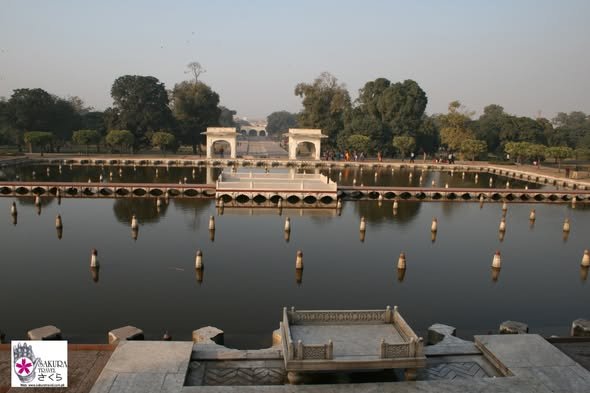
The layout of Shalimar Garden is based on the Persian concept of Chahar Bagh (four-part garden), representing paradise as described in Islamic tradition. Spanning over 80 acres originally (though reduced today), the garden is divided into three descending terraces Farah Baksh (Bestower of Pleasure), Faiz Baksh (Bestower of Goodness) & Hayat Baksh (Bestower of Life). Each terrace is built at a different level, with flowing water connecting them, symbolizing the harmony of life.
A highlight of Shalimar Garden is its sophisticated water system. Over 400 fountains, fed by an engineering marvel of the time, create a mesmerizing atmosphere. The central marble pool and water cascades enhance the beauty of the garden, offering a soothing and refreshing environment.
The garden houses several elegant pavilions, halls, and resting places designed for royal gatherings. These include the Diwan-e-Khas (Hall of Private Audience), Sawan Bhadun Pavilion, and Baradari (twelve-doored pavilion). The combination of red sandstone, marble inlay, and carved frescoes reflect the Mughal aesthetic of grandeur blended with nature.
Shalimar Garden was not just a royal retreat; it was also a place for hosting dignitaries and showcasing Mughal hospitality. It symbolized the Mughal philosophy of combining art, nature, and spirituality. Even today, the garden stands as a reminder of Lahore’s historical importance as a center of art and culture.
Though time and urban development have reduced its original expanse, Shalimar Garden remains a jewel of Lahore. It attracts thousands of tourists, scholars, and photographers annually. Recognized by UNESCO in 1981 as part of the “Shalamar Gardens and Lahore Fort” World Heritage Site, it is protected for its outstanding universal value.
Shalimar Garden is not merely a historical site; it is a living heritage of the Mughal era. Its design, beauty, and symbolism continue to inspire admiration and pride, making it one of Pakistan’s most treasured landmarks. For those visiting Lahore, a walk through Shalimar Garden is like stepping back into the grandeur of the Mughal dynasty.
For tour arrangements in Pakistan, please feel free to contact us my telephone, WhatsApp or email us at Sakura Travel.
sakuratr2004@gmail.com
WhatsApp: 0092 332 8501039