Sikhism is a monotheistic religion that emphasizes devotion to one God, equality of all humans, honest living, and service to humanity. The word “Sikh” means disciple or student, and Sikhs are followers of the teachings of their Gurus. The core principles of Sikhism are truthfulness, compassion, humility, love, and devotion to God.
Sikhs do not believe in rituals, idol worship, or a priestly class. Instead, they believe in living an honest, truthful life and remembering God (Waheguru) at all times through meditation (Naam Japna), sharing with others (Vand Chakna), and earning a living by honest means (Kirat Karni).
Sikhism was founded in the 15th century, specifically in 1469, in the Punjab region of South Asia. It emerged during a time of religious conflict and social injustice in the Indian subcontinent, offering a spiritual path that promoted equality, tolerance, and justice.
The founder of Sikhism is Guru Nanak Dev Ji, born in 1469 in a village called Talwandi, which is now known as Nankana Sahib, located in modern-day Pakistan. Guru Nanak’s teachings emphasized the oneness of God, the importance of meditation, and the rejection of caste and religious divisions. He traveled widely to spread his message of peace and unity.
After Guru Nanak, a total of ten Sikh Gurus led the faith, each building upon the teachings of their predecessors. The tenth Guru, Guru Gobind Singh Ji, declared the Guru Granth Sahib (the Sikh holy scripture) as the eternal Guru before his death in 1708.
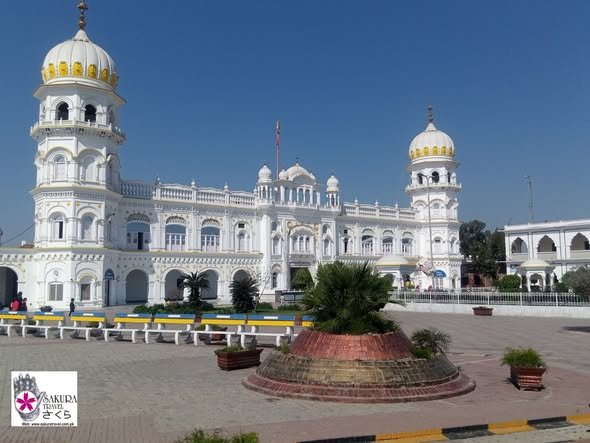
Pakistan is home to many historic and sacred Sikh Gurdwaras because the Punjab region, where Sikhism began, lies on both sides of the India-Pakistan border. Some of the most revered Gurdwaras in Pakistan include Gurdwara Janam Asthan (Nankana Sahib) located inNankana Sahib, Punjab, Pakistan. Its significance is birthplace of Guru Nanak Dev Ji.This is one of the holiest sites in Sikhism and a major pilgrimage destination for Sikhs from around the world. Gurdwara Darbar Sahib (Kartarpur Sahib) located in Kartarpur, Narowal District, Punjab, Pakistan. Its Significance is this is the place where Guru Nanak Dev Ji spent the last 18 years of his life and passed away in 1539.
The Kartarpur Corridor, opened in 2019, allows Indian Sikh pilgrims to visit this sacred site without a visa. Gurdwara Panja Sahib is located in Hasan Abdal, near Rawalpindi. Its significance is according to Sikh belief, a sacred rock here bears the handprint (panja) of Guru Nanak Dev Ji. It is one of the most important pilgrimage sites, especially during the Baisakhi festival. Gurdwara Rori Sahib is located Eminabad, Gujranwala District. Its significance is Guru Nanak is said to have rested here after the destruction of the city by invaders.
Gurdwara Sacha Sauda is Located in Farooqabad, near Sheikhupura. Its Significance is this is where Guru Nanak gave away merchant goods to feed the hungry and taught the value of honest service.
Sikhism, a faith rooted in equality, service, and devotion, continues to inspire millions of followers worldwide. Its founder, Guru Nanak Dev Ji, preached a timeless message of unity and peace that remains deeply relevant today. Pakistan, being the birthplace of Sikhism, holds many of the religion’s most sacred sites, serving as a spiritual home for Sikhs around the globe. These Gurdwaras not only represent historical milestones in Sikh history but also act as symbols of interfaith harmony and cultural heritage.
For tour arrangements in Pakistan, please feel free to contact us my telephone, WhatsApp or email us at Sakura Travel.
sakuratr2004@gmail.com
WhatsApp: 0092 332 8501039